


 Argentina
 Bolivia
 Brazil
 Chile
Chile Colombia
 Ecuador
 Paraguay
 Peru
Peru Uruguay
 Venezuela
 Aruba
Aruba Belize
 Costa Rica
 Dominican Republic
 El Salvador
 Guatemala
 Mexico
 Nicaragua
 Panama
Venezuela’s Parallel Recovery: Why Global Businesses Are Quietly Returning in 2026
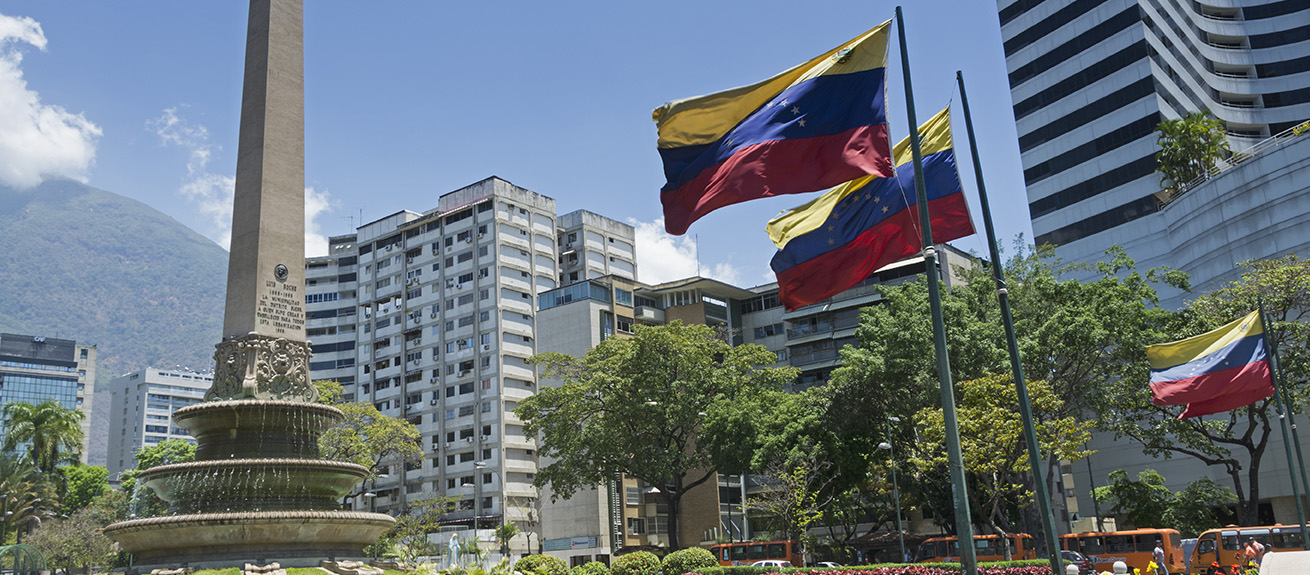
Amid headlines of hyperinflation, sanctions and economic hardship, there is a lesser-told story unfolding in Venezuela: a cautious comeback by foreign investors, especially in sectors like food and beverage, logistics and essential services. In 2026, some global companies are looking at early-mover positioning, recent legal reforms and markets that larger competitors have left. If you are considering entering or re-entering Venezuela, this article explains what has changed, what to expect, and how Easyco helps you do it with the right structure and compliance.
Why Some Businesses Are Saying “Yes” to Venezuela Now
1. Regulatory and Legal Reforms
The Constitutional Law of Productive Foreign Investment of December 29, 2017 establishes the legal framework for foreign investment
in Venezuela, allowing foreign companies to register and operate across a broad range of sectors.
Among its key provisions, registered foreign investment must stay in the country for at least two years from registration.
Additionally, Venezuela continues to offer equal treatment for foreign and domestic companies under its investment-law framework,
outside of strategic sectors.
These legal anchors provide returning companies with a clearer structure for planning and executing investments,
even within a challenging economic environment.
2. Market Re-opening and Strategic Early Entry
As many global firms have reduced or exited their operations in Venezuela, new entrants face less competition.
This creates opportunities for businesses willing to enter cautiously and strategically.
Logistics and service-based companies, in particular, are being drawn to under-served markets where asset valuations
and operating costs remain comparatively low. In January 2026, Venezuela reformed its hydrocarbons law to widen private participation, and since early 2026 the US has issued general licenses for certain activities in energy, minerals, telecommunications and financial services.
3. The Parallel Economy Advantage
Companies capable of operating in U.S. dollars, exporting goods, or targeting remittance-supported consumer segments
are finding distinct pockets of opportunity within Venezuela’s parallel economy.
With many large investors still absent, smaller and more agile companies can move faster. However, success requires
careful navigation of currency controls, sanctions exposure, and local compliance requirements.
This is where proper legal and operational structure becomes essential.
What Foreign Investors Need to Know Before Entering Venezuela
| Key Area | What to Know |
|---|---|
| Registration of Foreign Investment | Foreign investment must be registered with the ministry in charge of foreign investment under the LCIEP. Registration requires a minimum investment equivalent to €800,000, held in assets located in Venezuela. |
| Minimum Duration and Remittances | Registered investment must stay at least two years before capital can be repatriated. Registered investors can remit up to 100% of verified dividends each year (the government can lower this to 60–80% in extraordinary circumstances). |
| Sanctions and Currency Risk | Sanctions maintained by the United States, the EU, Canada and others continue to apply. US sanctions on the Government of Venezuela and PdVSA remain in force, with general licenses for certain activities issued since early 2026. Screen counterparties and banks before you sign. |
| Local Banking and FX Controls | Foreign-currency conversion and fund repatriation remain regulated. Working with experienced local partners is critical. |
| Entity Structure and Compliance | Choosing the appropriate corporate vehicle, such as an SA, SRL, or branch, and ensuring proper registration and local representation is essential. |
| Sector Entry Strategy | High-risk sectors such as oil and gas should be approached only with deep market expertise. Many companies begin with logistics, services, or consumer goods. |
How Easyco Helps Global Firms Enter Venezuela Strategically
At Easyco, we support foreign companies that want to test, enter, or scale operations in Venezuela.
Our Venezuela Services Include:
- Entity formation (SA, SRL, or branch) tailored for foreign ownership
- Local legal representation
- Bank account coordination and foreign exchange strategy advisory
- Compliance support for foreign investment registration, tax filings, and labor setup
- Ongoing assistance to transition from pilot operations to full-scale deployment
You do not need to navigate Venezuela alone. With the right local partner,
you can focus on strategy while ensuring compliance and operational stability.
Venezuela may deserve a place on your 2026 expansion roadmap if:
- You are prepared for elevated risk in exchange for early-mover advantages
- Your business aligns with consumer goods, logistics, or service-based models
- You prefer a lean entry strategy with the option to scale after validation
- You work with partners experienced in local law, sanctions, currency controls, and regulatory compliance
Ready to look at the details? Read how to start a business in Venezuela, see banking options for foreign companies, or contact us for a quote.


